
Applications · made to your drawing
Custom shafts for home appliance assemblies
Bring the shaft drawing and the assembly requirements together, from mating surfaces to the condition of the delivered part.
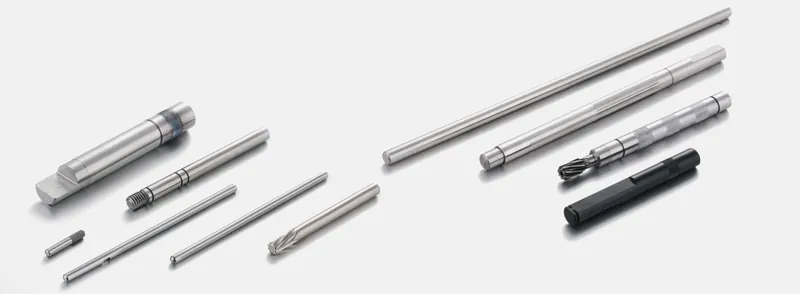
A shaft drawing needs to describe how the component fits into the appliance assembly, as well as its individual dimensions. MICRO manufactures shafts for home appliance drives to customer drawings and technical requirements. Our work combines the required turning, grinding and other specified operations after a manufacturability review. We do not select an appliance design or promise a universal fit from a photograph. Share the mating relationships and finished condition that matter to your project so the quotation and inspection plan address the same component.
Start with the surfaces used in assembly
Tell us which shaft sections locate a bearing, bush or other mating component, and which shoulders or grooves set its position. Those details help explain why a particular diameter or axial distance matters. Where a mating drawing can be shared, identify the interface without disclosing unrelated confidential information. The buyer remains responsible for defining the assembly fit and performance requirements; manufacturing feasibility is reviewed against that definition.
- Distinguish locating diameters from non-mating surfaces.
- Identify the shoulders, grooves or flats that control assembly position.
- Specify the inspection condition for features affected by treatment or coating.
Make material and surface requirements explicit
An appliance application name does not define a material grade, hardness, corrosion resistance or surface finish. Include the specified material standard and condition, together with any heat or surface treatment requirements. If an environmental exposure or an appearance requirement drives the specification, explain it during review. We arrange heat and surface treatment to the agreed specification; suitability and any supporting test or compliance documents must be confirmed for the component.
Plan the handoff into your production line
Agree how samples will be approved and how production parts will be identified, protected and checked at receipt. Features that pass an individual dimensional check can still be damaged by handling or mismatched inspection methods. Use the enquiry to flag sensitive surfaces, required packaging and any buyer inspection report format. Confirm quantities and scheduling with the order rather than relying on a generic delivery promise.
Plan the next step
Connect your application, part geometry and required evidence before placing an order.
Related technical guides
Explore manufacturing · Inspection equipment and certificates
Questions before you enquire
Can the appliance name alone be used for quotation?
It helps explain the application, but it does not define the part. Provide the drawing, quantities, material and finished-condition requirements so we can review the actual shaft.
Are the illustrated shafts stock replacements?
No. MICRO supplies custom OEM parts to drawing. The pictures illustrate previous component geometries and are not a replacement-parts catalogue.
Can the assembly fit be inferred from a surface finish value?
No. State dimensional limits, geometric requirements and surface texture separately where needed. Send the mating requirements so the review can distinguish fit, location and surface-condition acceptance.