
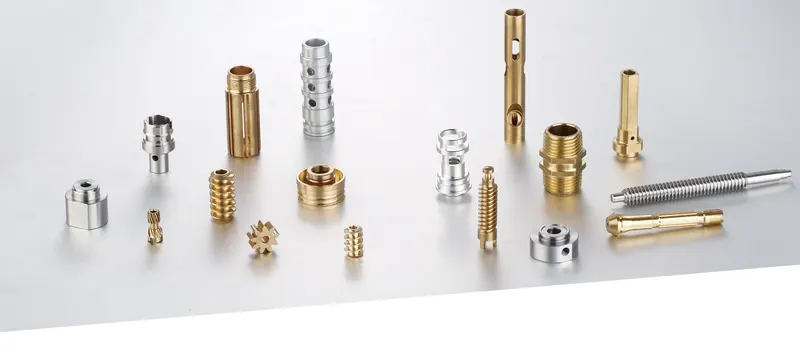
A quotation is only useful if it covers the part you actually need. Two suppliers can receive the same picture of a turned component and return prices based on different materials, inspection requirements or delivery quantities. The price difference then tells you very little.
A useful CNC turned parts RFQ makes those assumptions visible before an order is placed. Use this checklist when sourcing a new component, transferring an existing drawing or comparing suppliers for a repeat order.
1. Identify the exact part and revision
Put your part number, drawing revision and RFQ reference in the subject line and on the quotation request. List each attachment by its revision. If you send an updated drawing later, state clearly which earlier file it replaces.
Ask the supplier to repeat the drawing revision on the quote. For a family of similar parts, give each variant its own line rather than describing the differences only in an email. A changed groove position or shoulder length deserves a traceable definition, even when two parts look almost identical.
If the design is still being reviewed, label unresolved requirements as open. Ask for a quotation with identified assumptions, then close those items before approving production.
2. Explain the function behind critical features
Describe what the component does and which surfaces locate, rotate, seal or contact another part. Identify the mating component where it affects the requirement. This helps focus the technical discussion on the features that matter to the assembly.
Keep dimensions, geometric controls and surface requirements explicit on the released drawing. ASME Y14.5 provides a defined language for communicating and interpreting geometric dimensioning and tolerancing. If your drawing invokes a standard, identify the applicable edition.
Do not replace a missing requirement with an instruction to make the part as precise as possible. Ask your engineering team what acceptance condition is needed, and identify questions for supplier review separately from approved drawing requirements.
3. State the required finished condition
Name the specified material and its condition. Include required treatment, coating or finishing notes, and say whether the quoted component must arrive ready for your next operation or ready for assembly. If a material substitution may be considered, ask the supplier to identify it as an alternative requiring approval.
Clarify whether dimensions and inspection requirements apply before or after treatment. Keep appearance requirements distinct from functional surface requirements. A photograph can communicate an appearance preference, but it should not silently replace an acceptance specification.
For process discussions, Metal Cutting's precision grinding guide explains why material, geometry, finish and tolerance requirements need to be considered together. Ask the supplier to flag any proposed additional operation and show what requirement it addresses.
4. Separate trial demand from production demand
List the trial quantity, expected production order quantity and estimated annual demand separately. Mark forecasts as forecasts. A supplier should be able to distinguish a firm order from an indication of possible future volume.
Provide the requested delivery location and dates for the stages that matter: trial parts, your evaluation and production supply. Ask the quotation to identify when its lead time begins, what approvals it depends on and how long the price remains valid. Keep tooling or setup charges visible rather than comparing only the unit price.
5. Agree on acceptance and delivery details
List the inspection records you need, the features they should cover and when they are required. Ask for any proposed exceptions to appear on the quotation. If you need a particular approval process before production release, describe it rather than assuming every supplier uses the same process.
Include handling and packaging requirements where relevant. State whether variants must be packed separately, what information should appear on labels and how you will identify a delivered lot. Confirm any documentation needed for incoming inspection before agreeing the order.
Copy this checklist into your RFQ
Complete the fields below, or mark an item as open and assign someone to resolve it.
- RFQ reference: [reference and requested quote date]
- Part identity: [part number, description and drawing revision]
- Attachments: [file names, revisions and which document governs]
- Application: [component function and relevant mating part]
- Critical requirements: [drawing features requiring particular review]
- Material and finished condition: [specification, treatment and finish]
- Open technical questions: [unresolved items and responsible contact]
- Trial and production quantities: [separate quantities and forecast status]
- Delivery: [destination, requested stages and required dates]
- Acceptance: [approval steps, inspection records and documentation]
- Packing and traceability: [separation, labels and lot identification]
- Quotation breakdown: [unit price, separate charges, assumptions and validity]
For a multi-part enquiry, use one shared commercial cover sheet and a separate technical checklist for each drawing. This keeps a requirement for one component from being accidentally applied to the whole enquiry.
Compare the assumptions before comparing the prices
When quotations arrive, check drawing revision, included operations, quantities and acceptance requirements side by side. Record exclusions and unanswered questions in a comparison sheet. Ask for a revised quotation when an important assumption changes, so the eventual purchase order has a clear reference.
MICRO supplies custom CNC turned parts to customer requirements. To discuss your component, use the enquiry page and reference your part number and revision. Drawings can be emailed to [email protected]. Include the checklist information and flag anything still under engineering review so the enquiry starts with a clear scope.